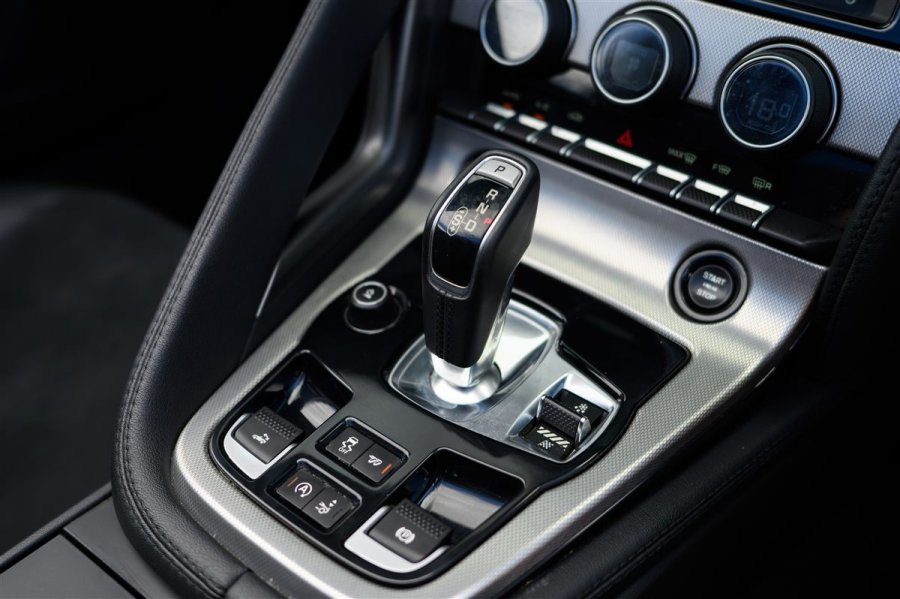
Losing Reverse is one of those transmission problems that can feel oddly specific. The vehicle may drive forward normally, but when you move the shifter into Reverse, nothing happens. It may take several seconds to engage, back up only when the vehicle is cold, or move for a moment and then stop pulling.
Because Drive still works, it can be tempting to work around the problem for a while. But a transmission that has lost Reverse is telling you that one part of its operating system is no longer doing its job correctly.
The cause may be outside the transmission, electrical, related to fluid pressure, or caused by worn parts inside the transmission. Testing is how the shop tells the difference.
What does "no Reverse" actually look like?
There are a few different versions of the symptom. You may select Reverse and the engine simply revs as if the vehicle were in Neutral. The transmission may engage after a long pause and then back up normally. It may bang into Reverse hard enough to shake the vehicle.
Some vehicles will back up when cold but lose Reverse once the transmission is hot. Others lose Reverse suddenly and never get it back.
Another possibility is that the shifter is not actually moving the transmission into Reverse even though the indicator says it is.
Those details point the technician toward different tests.
What can cause a transmission to lose Reverse?
Low fluid is one possibility because the transmission needs the correct amount of fluid to apply Reverse. If the vehicle has a leak, the fluid level may drop far enough that one gear stops working correctly before the others do.
A problem with the shifter or the cable connected to it can also prevent the transmission from reaching Reverse.
Modern transmissions use electrical controls too. A wiring problem, bad connection, sensor problem, or electronically controlled part can interfere with the transmission's ability to apply Reverse.
Worn or damaged parts inside the transmission are another possibility. Different gears depend on different combinations of parts. That means a transmission can lose Reverse while still keeping some or all of its forward gears.
Does losing Reverse mean the transmission needs a rebuild?
Not automatically. There are outside and electrical problems that can cause a no-Reverse condition without requiring the whole transmission to be rebuilt.
But loss of Reverse can also be the result of internal damage.
The symptom by itself cannot tell you which one you have. This is where guessing gets expensive. Replacing one part because an online forum mentioned it is not a diagnosis. Assuming the transmission is finished and replacing the whole thing without testing can be just as wasteful.
The shop needs to know what is preventing Reverse from applying before recommending the repair.
Can you keep driving if Drive still works?
Technically, some vehicles with no Reverse can still move forward. That does not mean they should stay in normal use.
First, a vehicle without Reverse can put you in a bad position quickly. A parking space, driveway, loading area, or traffic situation that requires backing up can leave you stuck.
Second, the failure that took away Reverse may not stay isolated. If the transmission has low fluid, an electrical problem, a pressure problem, or internal damage, other gears may begin acting up too.
If you need to move the vehicle a very short distance to get it somewhere safe, that is different from continuing to use it for normal transportation.
For a vehicle that cannot reliably select Reverse, towing is usually the cleaner choice. Sergeant Clutch offers free towing with transmission service.
Pay attention to what happened before Reverse disappeared
Sometimes Reverse fails without warning, but often there were smaller signs first. Maybe it began taking longer to engage in the morning. Maybe there was a bump when Reverse caught. Maybe the transmission had already started leaking fluid or shifting differently in Drive.
If you noticed anything like that before Reverse stopped working, tell the shop.
Temperature matters too. A transmission that has Reverse cold but loses it after twenty minutes of driving gives the technician useful information about how the system behaves once the fluid and internal parts warm up.
San Antonio summer heat can make temperature-related transmission problems show themselves faster, especially in traffic.
How Sergeant Clutch diagnoses a no-Reverse problem
At Sergeant Clutch Certified Engine & Transmission Repair Shop on Walzem Road, the first step is confirming what the vehicle is actually doing.
The technician can check whether the shifter and transmission agree about which gear is selected, inspect the fluid level and condition where applicable, look for leaks, scan the vehicle for warning codes, and review the information the vehicle's computers are seeing.
From there, the shop can determine whether the problem is with the shifter, an electrical control, fluid pressure, or worn parts inside the transmission.
If the problem is outside the transmission, the shop should tell you. If an internal failure has taken away Reverse, the shop should be able to explain what was found and what repair options make sense.
The important part is that the repair follows the diagnosis instead of the other way around.
What to tell the shop when you call
Tell us whether Reverse is completely gone or just delayed, whether Drive still works normally, and whether the problem changes when the vehicle is hot or cold. Mention any warning light, fluid leak, hard shift, or strange noise that showed up before the problem started.
Sergeant Clutch is located at 6557 Walzem Road in San Antonio and serves the Northeast Side, Windcrest, Converse, Live Oak, Universal City, and surrounding communities.
If your car or truck will drive forward but will not go into Reverse, call Sergeant Clutch at (210) 239-1600. Financing is available through Synchrony Car Care, EasyPay Finance, and SNAP Finance.
Transmission trouble?
Towing available. Military & senior discounts. Payment plans, no credit needed*.
(210) 239-1600 Book an Appointment