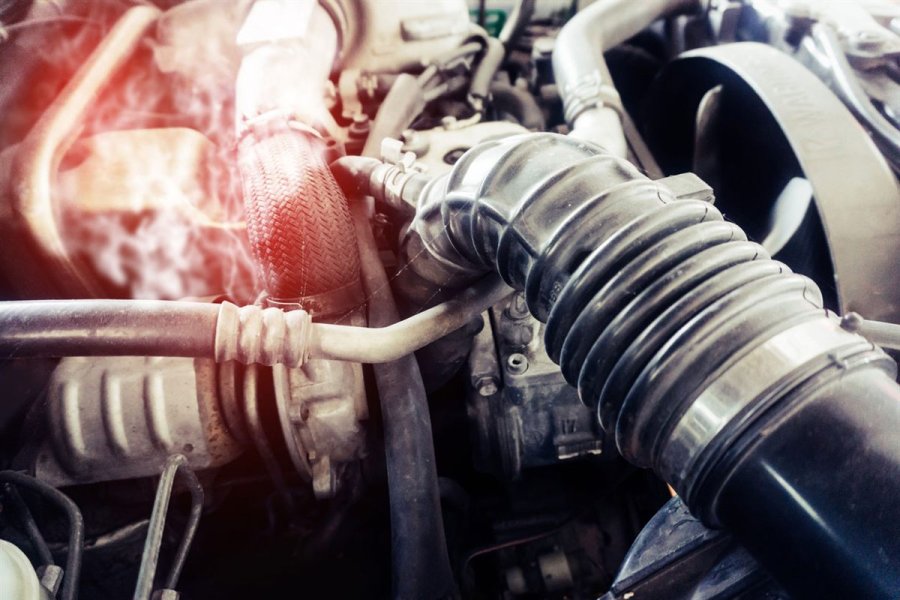
San Antonio heat is hard on a lot of things under the hood, and the transmission is one of them. If your vehicle starts shifting differently after sitting in traffic, towing, climbing grades, or driving for a long stretch on a hot day, temperature may be part of the problem.
Some vehicles will even display a transmission temperature warning or temporarily limit how the transmission operates until it cools down.
An overheating transmission is not something to treat as normal just because the outside temperature is high. A properly working transmission and cooling system are designed to handle hot weather. When the temperature becomes a repeated problem, the important question is why.
Why transmission temperature matters
Automatic transmission fluid has several jobs at once. It helps the transmission apply each gear, lubricates moving parts, and carries heat away from the transmission.
When the transmission gets hotter than it is supposed to, the fluid can break down faster and the parts inside the transmission are exposed to more wear.
That is why heat can be both a symptom and a cause. A transmission may start overheating because something is already wrong, then the extra heat makes that existing problem worse.
What can make a transmission run hot?
Heavy load is one factor. Towing, hauling, repeated stop-and-go driving, and slow traffic can all make the transmission work harder than steady highway cruising.
But load by itself should not automatically cause an overheating problem.
Low transmission fluid can reduce the transmission's ability to work correctly and carry heat away. Old or badly worn fluid may not perform as well as it should. A problem with the transmission cooler, one of the lines that carries fluid to it, or airflow through the cooling system can also keep heat from leaving efficiently.
Another possibility is that something inside the transmission is slipping instead of holding firmly. When that happens, energy that should be moving the vehicle turns into extra heat.
That is why an overheating complaint sometimes turns out to be a cooling problem and sometimes turns out to be a transmission problem.
What does an overheating transmission feel like?
The clearest sign is a transmission temperature warning on the dashboard, but not every vehicle gives you that much notice.
You may notice shifts becoming softer, harder, or less predictable once the vehicle is hot. The transmission may hesitate, slip, refuse certain gears, or limit itself to protect against more damage.
A burnt smell can be another warning, especially if it appears after heavy traffic, towing, or a long drive.
If the vehicle drives normally when cold and consistently develops transmission symptoms after warming up, tell the shop. That pattern is useful information.
What should you do if the temperature warning comes on?
Do not keep pushing the vehicle as if nothing happened. Find a safe place to stop and follow the instructions in the owner's manual. Different vehicles handle an overheating warning differently, so the owner's manual is the best guide for what to do in the moment.
Do not open hot cooling-system components.
If the warning returns after the vehicle cools, or the transmission is slipping, banging into gear, or refusing to move normally, continuing the trip can turn an overheating event into a much larger repair.
That is a good time to have the vehicle brought in. Sergeant Clutch offers free towing with transmission service.
San Antonio weather matters, but it should not be the excuse
A very hot afternoon can raise temperatures across the entire vehicle. Sitting in slow traffic with less air moving through the front of the vehicle makes the cooling system work harder too.
But a repeated transmission temperature warning should not simply be blamed on the weather. Plenty of properly operating vehicles make it through San Antonio summers every day.
The heat may expose a weak cooler, low fluid level, a slipping transmission, restricted airflow, or another problem that was easier for the vehicle to hide during cooler weather.
Finding that weak point is the real job.
How Sergeant Clutch diagnoses an overheating transmission
At Sergeant Clutch Certified Engine & Transmission Repair Shop on Walzem Road, the technician can check the transmission fluid level and condition where applicable, inspect for leaks, scan the vehicle for warning codes, review temperature information from the vehicle, and inspect the parts that help cool the transmission.
If the transmission is slipping internally, the shop needs to know that before simply changing fluid or adding a cooler. If the transmission itself is healthy and the problem is on the cooling side, that matters too.
A temperature warning tells you the vehicle got too hot. Diagnosis tells you why.
Once the cause is clear, the shop can explain what needs attention and what does not before any repair begins.
What to tell the shop when you call
Tell us when the overheating happens. Does it occur only while towing? Only in traffic? Only after an hour of driving? Mention any warning message, burnt smell, slipping, hard shifting, or fluid leak that happens at the same time.
Sergeant Clutch is located at 6557 Walzem Road in San Antonio and serves the Northeast Side, Windcrest, Converse, Live Oak, Universal City, and surrounding communities.
If your transmission is overheating, showing a temperature warning, or changing the way it shifts once it gets hot, call Sergeant Clutch at (210) 239-1600. Financing is available through Synchrony Car Care, EasyPay Finance, and SNAP Finance.
Transmission trouble?
Towing available. Military & senior discounts. Payment plans, no credit needed*.
(210) 239-1600 Book an Appointment