You start the car, put it in Drive, and nothing happens. Then, a second or two later, the transmission catches and the vehicle moves. Maybe Reverse does it instead. Maybe it mostly happens first thing in the morning. Sometimes the delay ends with a noticeable bump as the gear finally engages.
That pause is called delayed engagement. A transmission does not have to react the exact instant you move the shifter, but a delay that is noticeable, repeatable, or getting longer is worth paying attention to.
What is happening during the pause?
When you select Drive or Reverse, the transmission has to build pressure and apply the parts needed to move the vehicle. Normally that happens quickly enough that the driver barely notices it.
With delayed engagement, that process is taking longer than it should. The engine is running and the shifter is in gear, but the transmission has not fully connected the engine's power to the wheels yet.
That is why pressing the gas during the pause usually does not help. The engine may rev, but the transmission still has not fully applied the gear.
When the gear finally does engage, the higher engine speed can make the vehicle lurch or bump harder than normal.
If your vehicle is doing this, give the transmission time to engage before touching the accelerator.
Why delayed engagement happens
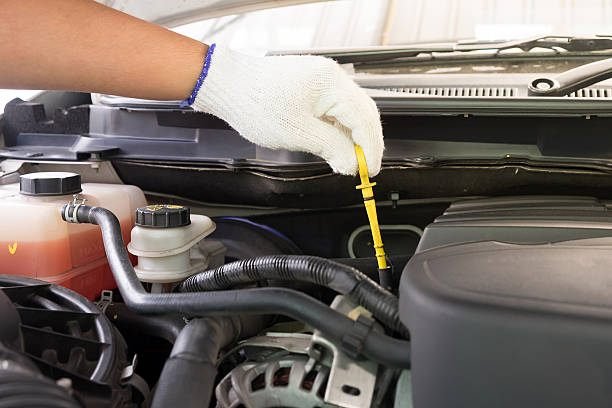
Low transmission fluid is one possibility, especially if the transmission has a leak. The transmission needs enough fluid to build the pressure required to apply Drive or Reverse.
Fluid condition can matter too. But changing fluid is not automatically the answer to every delayed-engagement complaint.
The delay can also come from a problem with one of the parts that controls where fluid goes inside the transmission. Worn seals or other internal parts may allow pressure to leak away before the gear can apply. An electrical control problem can also affect how quickly the transmission responds.
You do not need to know which of those parts is involved. What matters is that several different problems can create the same pause, and testing is how the shop separates them.
Cold versus hot can be a useful clue
A delay that happens only after the vehicle has sat overnight can point the shop in a different direction from a delay that happens every time you select Drive.
The same is true if the problem gets worse after the transmission is hot. Fluid behaves differently as temperature changes, and worn parts may seal or hold pressure differently once everything warms up.
San Antonio summer heat can make temperature-related transmission problems easier to notice. If the vehicle engages normally in the morning but starts hesitating after sitting in traffic on the Northeast Side, tell the shop.
A growing delay is worth checking
Transmission problems do not always begin with a dramatic failure. Sometimes the first change is simply that Drive takes a little longer to engage than it used to.
Then the delay becomes more frequent. It may begin happening in Reverse too. A bump or clunk may start when the gear catches. Later, the vehicle may begin slipping or shifting differently while driving.
That progression is not guaranteed, but it is why a repeatable delay is worth checking while the vehicle is still moving normally.
Can you still drive it?
A small delay does not automatically mean you need a tow truck. If the transmission engages consistently and drives normally afterward, you can usually bring it in for an inspection. Just let the gear fully engage before accelerating.
If the delay becomes several seconds long, the transmission slams into gear, it starts losing Drive or Reverse completely, or the vehicle no longer feels predictable, do not keep forcing it to move.
Sergeant Clutch offers free towing with transmission service when driving it is not the right choice.
What Sergeant Clutch checks
At Sergeant Clutch Certified Engine & Transmission Repair Shop, the shop can check the fluid level and condition where applicable, look for leaks, scan for warning codes, and test how quickly the transmission applies Drive and Reverse.
If more testing is needed, the technician can determine whether the problem is electrical, related to fluid pressure, or caused by worn parts inside the transmission.
What the shop should not do is jump from "it hesitates going into Drive" directly to "you need a transmission." Several different problems can cause the same symptom.
Once the cause is confirmed, the shop can explain what was found, what the repair involves, and what options make sense before any work begins.
What to tell the shop when you call
Tell us how long the pause lasts, whether it happens in Drive, Reverse, or both, and whether the problem is worse cold or hot. Mention any bump, clunk, warning light, leak, slipping, or other change you have noticed.
You do not need to describe how the transmission works. Just describe what the vehicle does.
Sergeant Clutch is located at 6557 Walzem Road in San Antonio and serves drivers throughout the Northeast Side, Windcrest, Converse, Live Oak, Universal City, and surrounding areas.
If your vehicle pauses before Drive or Reverse engages, call Sergeant Clutch at (210) 239-1600. Financing is available through Synchrony Car Care, EasyPay Finance, and SNAP Finance.

Transmission trouble?
Towing available. Military & senior discounts. Payment plans, no credit needed*.
(210) 239-1600 Book an Appointment