The check engine light does not only come on for engine problems. On many modern vehicles, the engine and transmission work together through the vehicle's computers. A transmission problem can turn on the same check engine light you would see for many engine-related problems.
That is why a scan showing a transmission code is useful, but it is not the same thing as a diagnosis.
A code tells the technician what the vehicle's computer noticed. It does not always tell the shop which part actually failed.
What does a transmission code actually mean?
Your vehicle is constantly comparing what it told the transmission to do with what actually happened.
For example, the computer may command a shift and then check whether the transmission reached the gear it expected. If the result does not match, it can store a code. It can also store a code when an electrical part is not responding correctly, when the transmission gets too hot, or when another reading falls outside the normal range.
That means two vehicles can have the same check engine light while needing completely different repairs.
Why a parts-store scan is not the whole answer
Reading a code is easy. Figuring out why the code appeared is the important part.
A code description may name a particular transmission part, but that does not always prove that part itself is bad. A damaged wire, bad connection, low voltage, dirty fluid, or another problem elsewhere in the system may create the same code.
Likewise, a code that says the transmission is slipping does not tell you why it is slipping. The cause could be low fluid, a control problem, or worn parts inside the transmission.
Replacing whatever part is named in the code description can become an expensive way to diagnose a vehicle.
The better approach is to use the code as a starting point, then test the system that caused it.
What symptoms can come with transmission codes?
Sometimes there are none. The vehicle may drive normally while the light is on, especially if the problem happened only once or is still in an early stage.
Other times the transmission may shift hard, stay in one gear, refuse to shift higher, slip, hesitate, or limit how it operates to protect itself.
The warning may come and go depending on temperature, speed, load, or how long the vehicle has been driven.
If possible, do not clear the codes before bringing the vehicle in. The stored information can help show what the vehicle was doing when the problem occurred.
Can you keep driving with a transmission code?
That depends on the code and what the vehicle is doing.
A steady check engine light with normal driving behavior is different from severe slipping, overheating, a transmission that is banging into gear, or a vehicle that will not shift normally.
If the vehicle is driving normally, schedule an inspection and avoid putting unnecessary load on it until you know what the code means.
If the transmission is slipping badly, overheating, losing gears, or no longer moving safely with traffic, continuing to drive can add damage.
In that situation, Sergeant Clutch offers free towing with transmission service.
Why clearing the light does not fix the problem
Disconnecting the battery or clearing the code with a scan tool may turn the light off for a while. It does not repair whatever caused the fault.
In fact, clearing the code too early can erase information that would have helped diagnose a problem that only happens sometimes.
If a shop tells you the light is gone without explaining why it came on, you still do not have an answer.
The goal is to identify the cause, repair it, verify the repair, and make sure the warning does not return under the conditions that originally triggered it.
How Sergeant Clutch diagnoses transmission codes
At Sergeant Clutch Certified Engine & Transmission Repair Shop, scanning the vehicle is the beginning of the process, not the end.
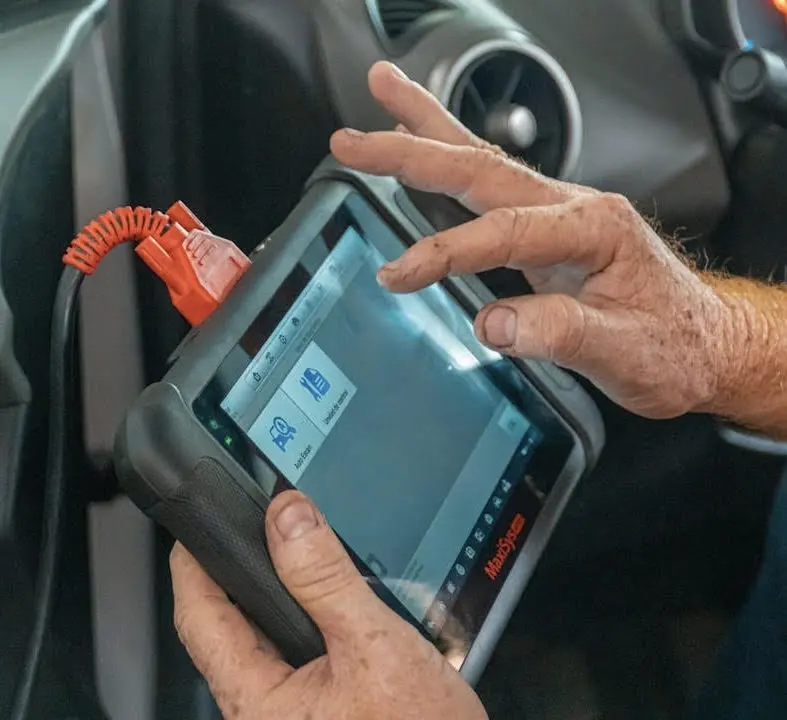
The technician can read the stored codes, look at live information from the vehicle, and compare what the computer is asking the transmission to do with what the transmission is actually doing.
Depending on the code, the next step may be checking wiring and connections, fluid level and condition, temperature readings, electrical controls, or whether parts inside the transmission are holding the way they should.
The shop also pays attention to engine problems because the engine and transmission share information. A problem outside the transmission can sometimes affect the way it shifts or cause a transmission-related code.
Once testing points to the cause, the shop can explain what failed and why the repair makes sense.
That is a much better foundation for a repair decision than a code description printed on a receipt.
What to bring or tell the shop
If someone already scanned the vehicle, bring the code number if you have it. Tell us whether the light is always on or comes and goes, whether the transmission feels different, and whether the problem happens only when the vehicle is hot, under load, or at a certain speed.
Sergeant Clutch is located at 6557 Walzem Road in San Antonio and serves drivers throughout the Northeast Side, Windcrest, Converse, Live Oak, Universal City, and surrounding communities.
If your check engine light is on and you have been told there is a transmission code, call Sergeant Clutch at (210) 239-1600. Financing is available through Synchrony Car Care, EasyPay Finance, and SNAP Finance.
Transmission trouble?
Towing available. Military & senior discounts. Payment plans, no credit needed*.
(210) 239-1600 Book an Appointment