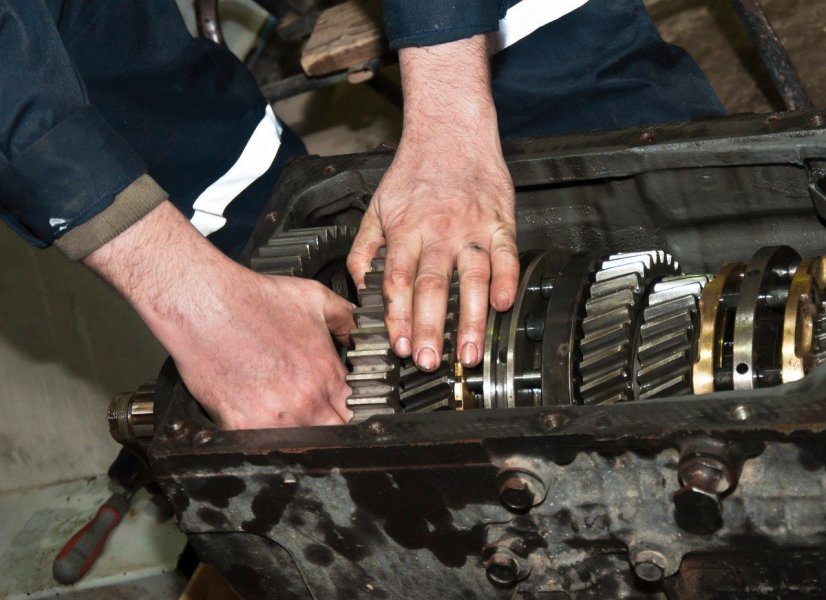
A transmission does not have to slip to tell you something is wrong. Sometimes the problem is the opposite. Instead of a soft or delayed shift, the vehicle bangs, kicks, jerks, or snaps into the next gear hard enough that everyone in the car notices.
A single firm shift once in a while is not enough to diagnose a transmission. But if the vehicle repeatedly shifts harder than it used to, especially in the same gear change or under the same conditions, it is worth finding out why.
What counts as a hard shift?
You know your vehicle better than anyone else. Some trucks and performance vehicles naturally shift more firmly than a soft-riding sedan. What matters is a change from the way the vehicle normally behaves.
You might feel a noticeable jolt going from first to second gear, a kick when slowing down and the transmission changes to a lower gear, a hard engagement when selecting Drive or Reverse, or a shift that seems to hesitate and then slam into place.
The symptom may happen only when the vehicle is cold, only after it warms up, or only when you accelerate harder than normal.
Those details matter, so pay attention to the pattern rather than just the fact that the shift felt rough.
Why does a transmission start shifting hard?
Modern automatic transmissions use fluid, sensors, electrical controls, and moving parts inside the transmission to make each shift happen at the right time and with the right amount of force.
If the transmission applies a gear too hard, waits too long and then catches, or receives bad information from one of its controls, the shift can feel harsh.
Low or worn fluid can contribute to the problem. An electronically controlled part may not be directing the transmission correctly. A sensor or wiring problem can also affect when the transmission shifts.
Worn parts inside the transmission can cause hard shifts too, especially if one gear is no longer applying smoothly.
Some vehicles also adjust the way they shift over time based on driving and wear. That means a control reset or relearn may be part of the diagnosis in some cases, but it should not be used as a substitute for checking whether there is a real mechanical problem.
Can an engine problem make a shift feel hard?
Yes. The engine and transmission share information constantly. The transmission needs to know how much power the engine is making and how much throttle the driver is using so it can decide when and how firmly to shift.
If the engine is running poorly or a sensor is giving incorrect information, the transmission may react to bad information.
Worn engine or transmission mounts can also make a normal shift feel much more dramatic because the engine and transmission are allowed to move farther than they should.
That is another reason a harsh shift should be diagnosed instead of blamed on one part immediately.
Is it safe to keep driving?
A mild hard shift that has just started does not always mean you need to stop the vehicle immediately. But repeated harsh shifting should not be treated as harmless.
Every hard engagement sends a stronger shock through the transmission and the parts that connect it to the wheels. If the hard shift is being caused by a pressure problem or worn parts, continuing to drive may also allow the underlying problem to get worse.
If the transmission is slamming into gear, losing gears, slipping between hard shifts, or turning on a warning light, have it checked sooner rather than later.
If the vehicle no longer feels safe or predictable to drive, Sergeant Clutch offers free towing with transmission service.
Why temperature can change the symptom
A hard-shifting transmission may behave differently cold than it does hot. Transmission fluid changes as it warms up. Electrical parts may act normally when cold and fail after they heat up. Worn seals and other internal parts can also behave differently once the transmission reaches operating temperature.
San Antonio weather can make those changes show up quickly in summer traffic.
If the transmission shifts fine for the first ten minutes and then starts banging into gear, tell the shop. If it only does it first thing in the morning and then smooths out, tell them that too.
How Sergeant Clutch diagnoses harsh shifting
At Sergeant Clutch Certified Engine & Transmission Repair Shop, the technician can scan the vehicle for engine and transmission codes, check fluid level and condition where applicable, inspect mounts and related parts, and road-test the vehicle when it is safe to reproduce the shift.
From there, the shop can determine whether the problem is electrical, related to fluid pressure, caused by another part of the vehicle, or coming from worn parts inside the transmission.
A hard shift does not automatically mean the transmission needs to be rebuilt. It also does not automatically mean it just needs fluid.
The goal is to know why the shift is harsh before recommending the repair.
What to tell the shop when you call
Tell us which shift feels hard, whether it happens while accelerating or slowing down, and whether the vehicle has to be cold or hot before it happens. Mention any warning lights, slipping, leaks, or recent repair work too.
Sergeant Clutch is located at 6557 Walzem Road in San Antonio and serves drivers throughout the Northeast Side, Windcrest, Converse, Live Oak, Universal City, and surrounding areas.
If your car or truck has started shifting hard, kicking between gears, or banging into Drive or Reverse, call Sergeant Clutch at (210) 239-1600. Financing is available through Synchrony Car Care, EasyPay Finance, and SNAP Finance.

Transmission trouble?
Towing available. Military & senior discounts. Payment plans, no credit needed*.
(210) 239-1600 Book an Appointment