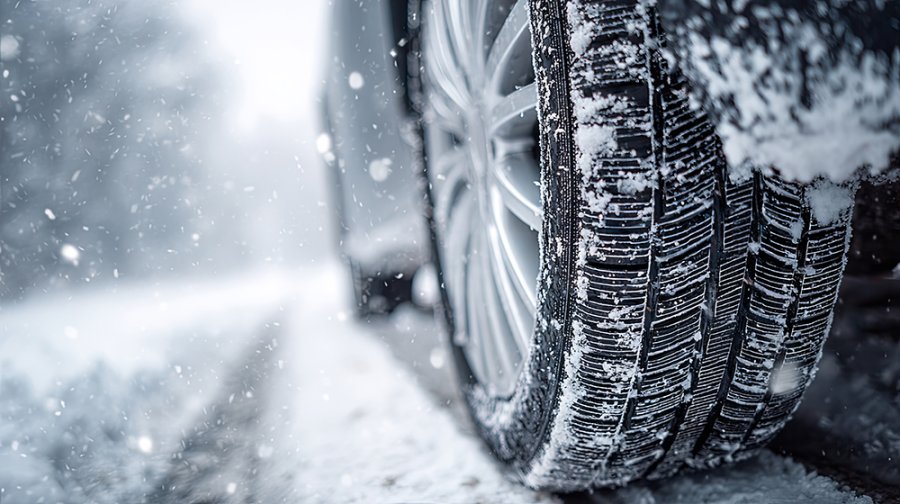
Winter driving conditions can be tough on your vehicle. Between freezing temperatures, road salt, and icy conditions, your car works harder during the winter months than almost any other time of year.
March is the perfect time to check a few key systems to make sure your vehicle stays reliable and safe as winter begins to wind down.
Check Your Tire Pressure
Cold temperatures cause tire pressure to drop. For every 10-degree drop in temperature, your tire pressure can decrease by about 1 PSI.
Low tire pressure can lead to:
- Poor fuel economy
- Uneven tire wear
- Reduced traction
- Longer stopping distances
Checking your tire pressure regularly during winter helps keep your vehicle safe on wet, snowy, or icy roads.
Inspect Your Brakes
Winter driving means more braking due to slippery conditions and increased stopping distances. Road salt and moisture can also accelerate corrosion on brake components.
Signs your brakes may need attention include:
- Squealing or grinding noises
- Vibration when braking
- A soft brake pedal
- Longer stopping distances
A brake inspection ensures your vehicle can stop safely when road conditions are unpredictable.
Make Sure Your Fluids Are Topped Off
Your vehicle relies on several fluids to operate properly, and winter temperatures can affect how they perform.
Important fluids to check include:
- Engine oil
- Coolant / antifreeze
- Brake fluid
- Transmission fluid
- Windshield washer fluid
Using the correct winter-rated fluids helps protect your vehicle from wear and keeps systems running smoothly.
Do Not Forget Your Heating and Defrost System
Your heater and defroster are critical for winter visibility and comfort. If your windshield takes a long time to clear or your heat is not working properly, it could indicate an issue with the blower motor, heater core, or cabin air filter.
Proper airflow and heating help ensure safe driving in cold weather.
Preventative Maintenance Saves Time and Money
The best way to avoid winter breakdowns is through preventative maintenance. A quick inspection can identify small issues before they become expensive repairs.
March is the perfect time to schedule a vehicle inspection to ensure your car is ready for the remainder of winter and the transition into spring.
Key Takeaways for Drivers:
- Cold weather can lower tire pressure and reduce traction.
- Winter road salt and moisture can accelerate brake wear.
- Checking vehicle fluids helps prevent cold-weather damage.
- A quick inspection in March can prepare your car for the end of winter and early spring driving.